February 12, 2026
Trees are the silent guardians of our landscapes, providing shade, increasing property value, and contributing to the overall ecological health of our neighborhoods. However, there comes a time when even the most majestic oak or the sturdiest maple poses a risk to its surroundings. Whether due to disease, storm damage, or strategic landscaping changes, understanding the nuances of professional arboriculture is vital for every homeowner.
The demand for specialized care is reflected in the steady expansion of the sector. According to IBISWorld, revenue within the tree trimming service industry is projected to see a compound annual growth rate of 2.1%, ultimately reaching a market valuation of $43.7$ billion by the year 2030. This growth highlights a fundamental truth in modern property management: maintaining a safe and beautiful canopy requires more than just a ladder and a hand saw. This article explores the considerations and common inquiries about when to call a professional to ensure your property remains a sanctuary rather than a hazard.
How Can I Tell if a Tree Needs to Be Removed?
Identifying the signs that indicate a tree should be removed is crucial for maintaining both the safety and the aesthetics of your property. While some signs are obvious, others require a more discerning eye. A primary indicator is the presence of large, dead branches in the upper canopy, often referred to as "widow-makers" due to their tendency to fall without warning. Furthermore, a significant lean in the trunk—especially if it has developed suddenly—suggests that the root system is failing or the soil has become unstable.
You should also inspect the trunk for deep cracks, peeling bark, or cankers, which are areas of dead bark that indicate disease. If you notice shelf-like fungi growing near the base, it is often a sign of internal rot. When these symptoms converge, tree removal becomes the most responsible course of action to prevent the specimen from falling on a home or power line. Often, a tree may look healthy from a distance while the interior is structurally compromised, making a professional assessment indispensable.
What Are the Risks of DIY Tree Removal?
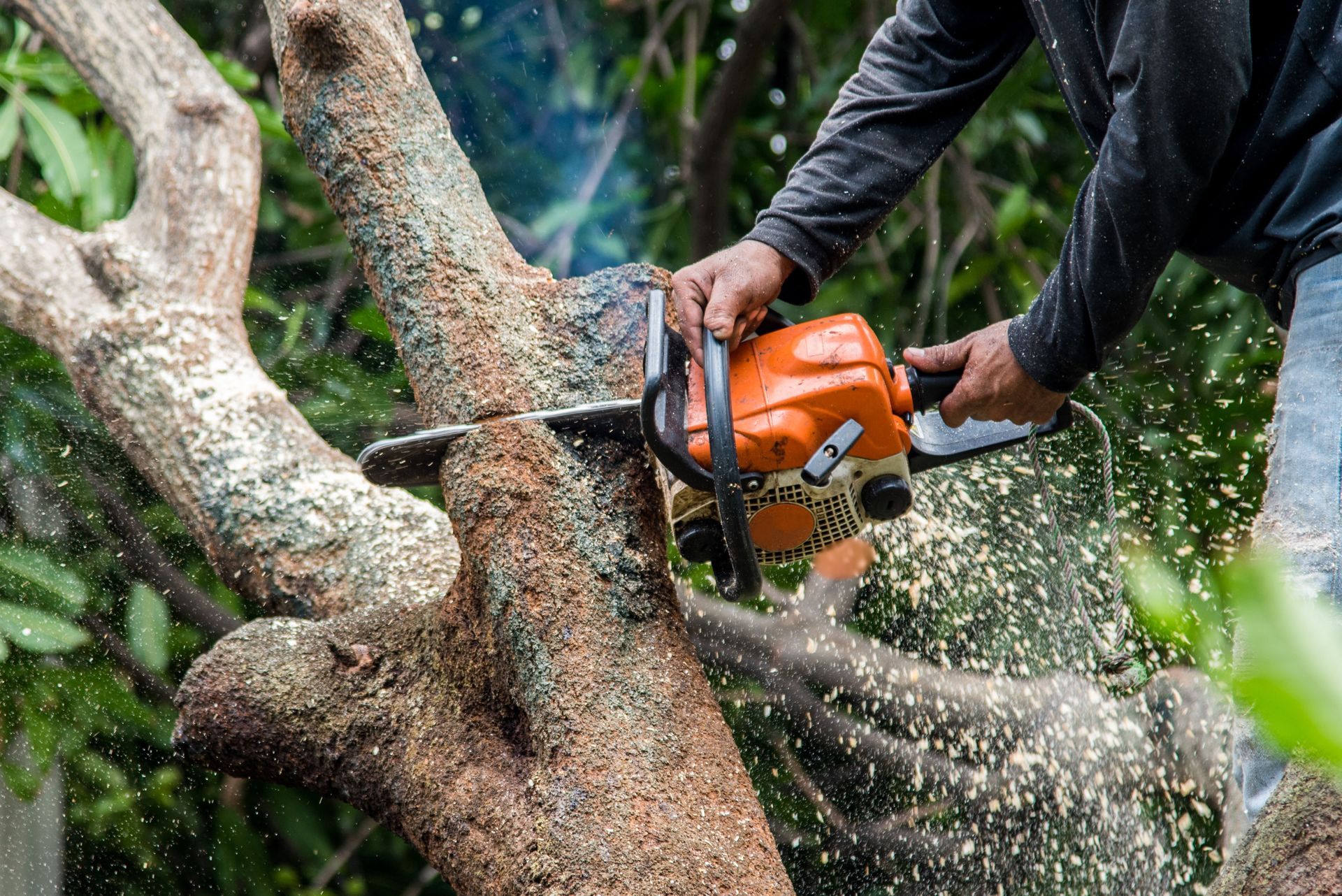
In an era of "do-it-yourself" home improvement, many homeowners are tempted to tackle large-scale projects independently. However, tree removal is one of the most dangerous tasks a non-professional can undertake. The physics of a falling tree are remarkably unpredictable; weight distribution, wind speed, and hidden internal rot can cause a trunk to twist or "kick back" unexpectedly. Attempting to fell a tree without professional training often leads to catastrophic property damage or severe personal injury.
Power lines are another major hazard that many DIYers overlook. Even if you do not touch a line directly, electricity can "arc" to your equipment if you are working within a certain radius. Professionals utilize specialized rigging, cranes, and chainsaws designed for high-altitude work to ensure the tree removal process is controlled and systematic. The cost of hiring an expert is a mere fraction of the cost of a major structural repair or an emergency hospital visit resulting from an amateur mistake.
When Is the Best Time of Year for Tree Removal?
The timing of your project can affect both the procedure's efficiency and the long-term health of your remaining landscape. While an emergency tree removal must happen regardless of the season, planned extractions are often best handled during the "dormant season," which typically falls in late winter or early spring. During this window, the absence of leaves makes it significantly easier for arborists to see the branch structure and identify potential failure points.
Additionally, the ground is typically frozen in colder climates during this time, which provides a stable surface for heavy machinery and prevents the soil from being compacted or churned into mud. Performing tree removal while the tree is dormant also minimizes the risk of spreading certain pathogens, such as Oak Wilt, which are more active during the warmer months when insects are present. Planning your landscape maintenance during these months can also lead to more flexible scheduling with professional crews.
How Much Does Professional Tree Removal Cost?
Cost is a major consideration for any property owner, and prices can vary significantly based on several technical variables. Generally, the larger the tree, the higher the price, as tall or wide-reaching specimens require more labor, more complex rigging, and more time to dismantle safely. Height and trunk diameter serve as the primary cost drivers in most estimates provided by reputable companies.
The location of the tree also plays a pivotal role in the final quote. Trees located near power lines, overhanging a roof, or tucked into tight spaces require manual climbing rather than bucket trucks, which increases the labor intensity. Ironically, a dead or rotting tree can sometimes cost more for tree removal because it is too unstable for an arborist to climb safely, requiring the use of a specialized crane. While basic quotes cover felling the tree, grinding the stump down below the soil line is typically treated as an additional service.
What Should I Expect From a Professional Tree Removal Service?
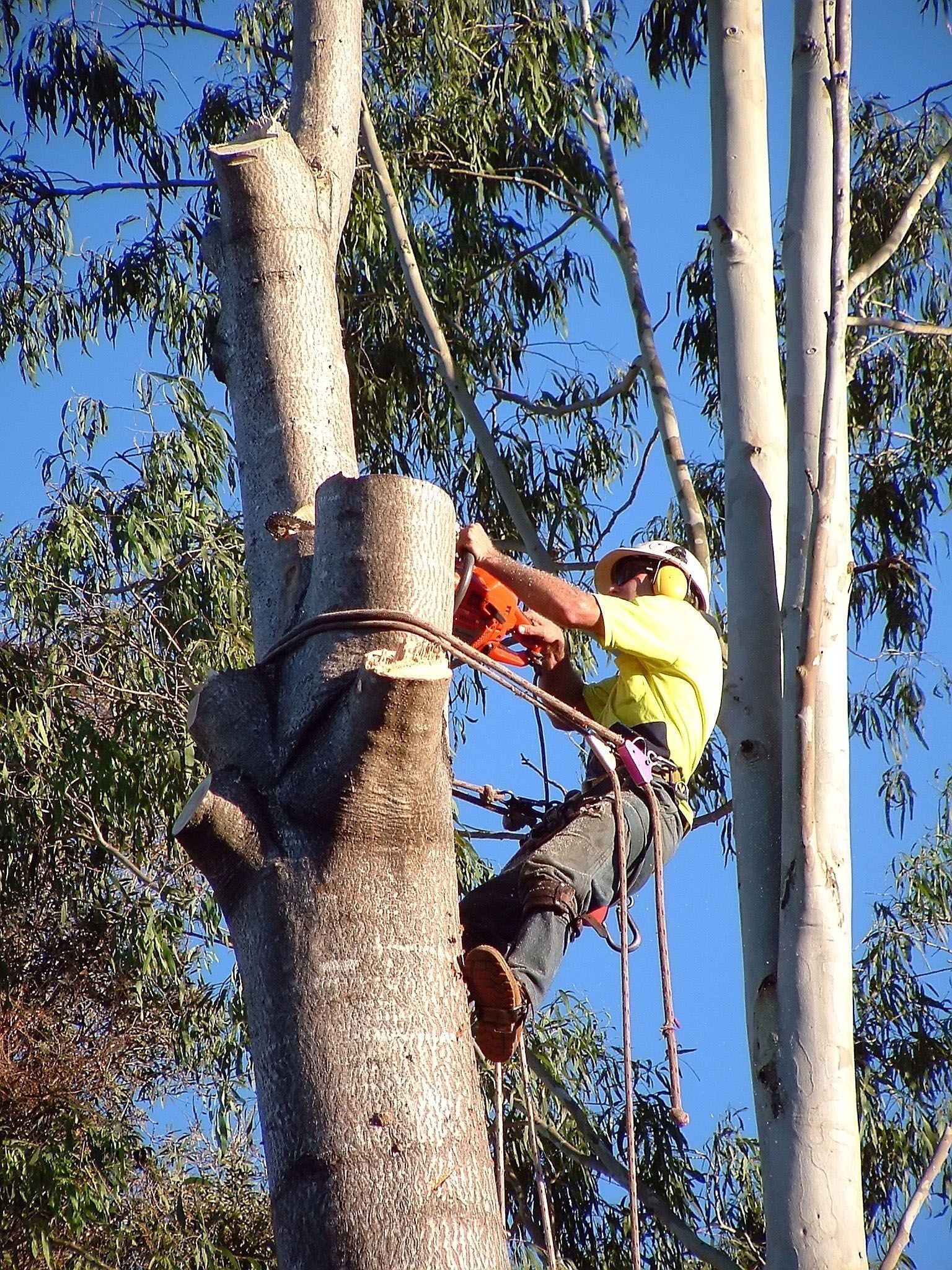
Knowing what a professional service entails can help you set realistic expectations and evaluate the quality of the companies you interview. A reputable company will start with a thorough site assessment, looking not only at the target tree but also identifying "drop zones" and ensuring that underground utilities are marked. During the actual tree removal process, you should expect the crew to wear appropriate Personal Protective Equipment, including helmets, eye protection, and chainsaw chaps.
The process usually involves "limbing" the tree from the bottom up or top down, followed by "bucking" the trunk into manageable sections. A high-quality service will also include a comprehensive cleanup, removing all debris and sawdust so that your yard is left in pristine condition. Furthermore, a professional tree removal company should always provide proof of insurance and workers' compensation to protect the homeowner from any liability during the project.
Navigating Local Regulations and Permits
Before proceeding with any major landscaping changes, it is essential to check local municipal codes. Many cities have ordinances that protect specific species of trees or require a permit for any tree removal involving a trunk over a certain diameter. In some cases, you may even be required to plant a replacement tree elsewhere on your property to maintain the local canopy density.
Working with a local expert is highly beneficial here, as they are often familiar with these specific regulations and can help manage the necessary paperwork. Failing to secure the proper permits can result in hefty fines that sometimes exceed the cost of the tree removal itself. Always ensure your contractor is well-versed in local environmental laws to keep your project compliant and avoid legal headaches.
The Environmental Impact of Removing a Tree
While the focus is often on safety, it is worth considering the ecological shift that occurs when a large tree is taken down. Trees provide essential cooling through transpiration and shade, and their removal may slightly increase your summer cooling costs if the tree was positioned near a window. If the tree removal is necessary due to disease, it is often a bittersweet but positive step for the local ecosystem, as it prevents the ailment from jumping to neighboring healthy specimens.
Ultimately, a successful
tree removal should leave your property safer and ready for a new chapter of growth. Whether you are dealing with a storm-damaged pine or an invasive species encroaching on your foundation, professional intervention ensures the job is done right the first time. If you need a tree removed, reach out to the professionals at Hill Country Tree Trimming today!